
Winter Pruning
Source: Chicago Botanic Garden. (n.d.). Pruning in winter. [1]
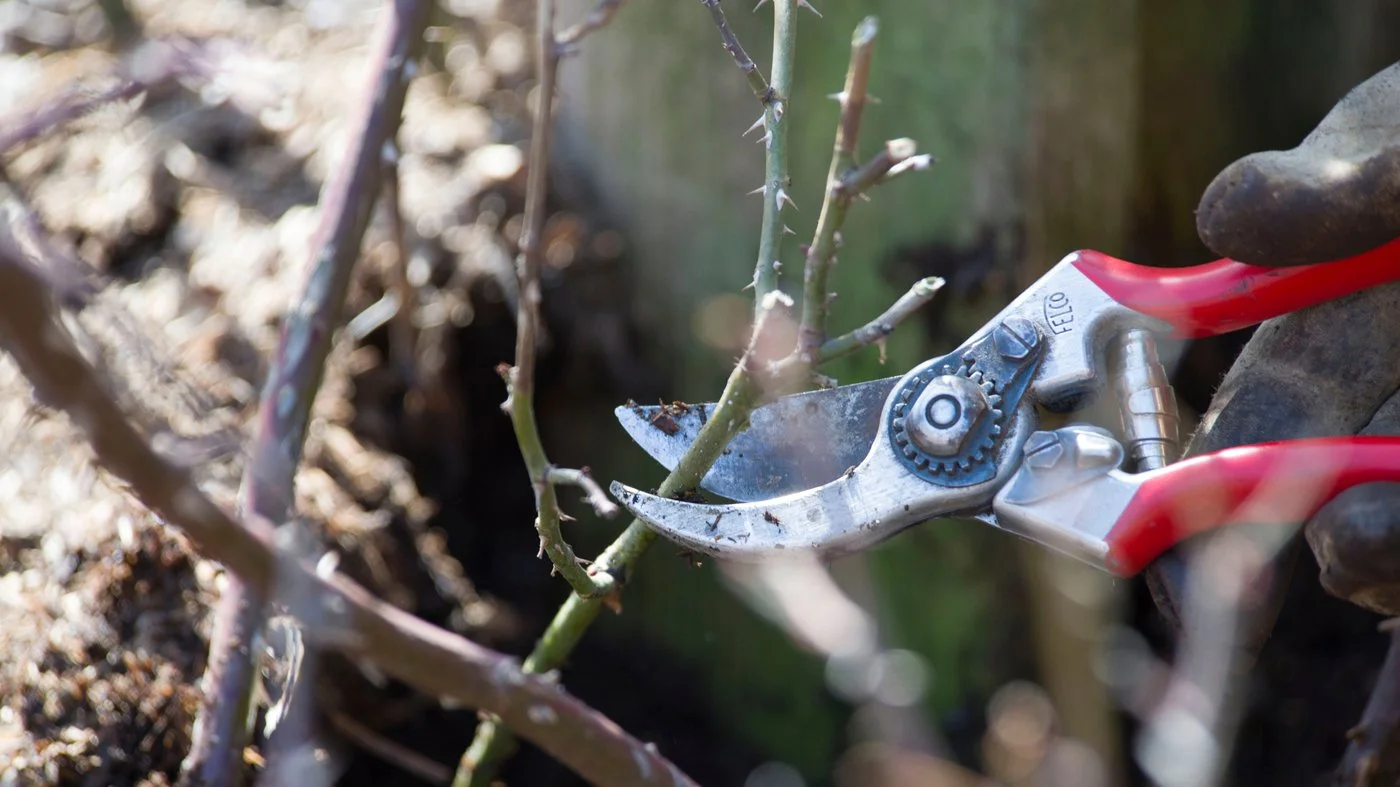
Winter is one of the best times to prune many trees, shrubs, and perennials. During the cold months, plants are dormant, so pruning causes less stress and reduces the risk of disease, pests, and damage from sun or heat exposure. [3] When pruning trees and shrubs, the main goals are to reduce overall size while maintaining the plant’s natural or desired shape, remove dead or diseased branches, and eliminate crossing or crowded branches to improve airflow. [3]
Pruning Trees and Shrubs
Source: Garden Boutique. (n.d.). Climbing hydrangea 1.00 - 1.30 m Hydrangea petiolaris. [2]
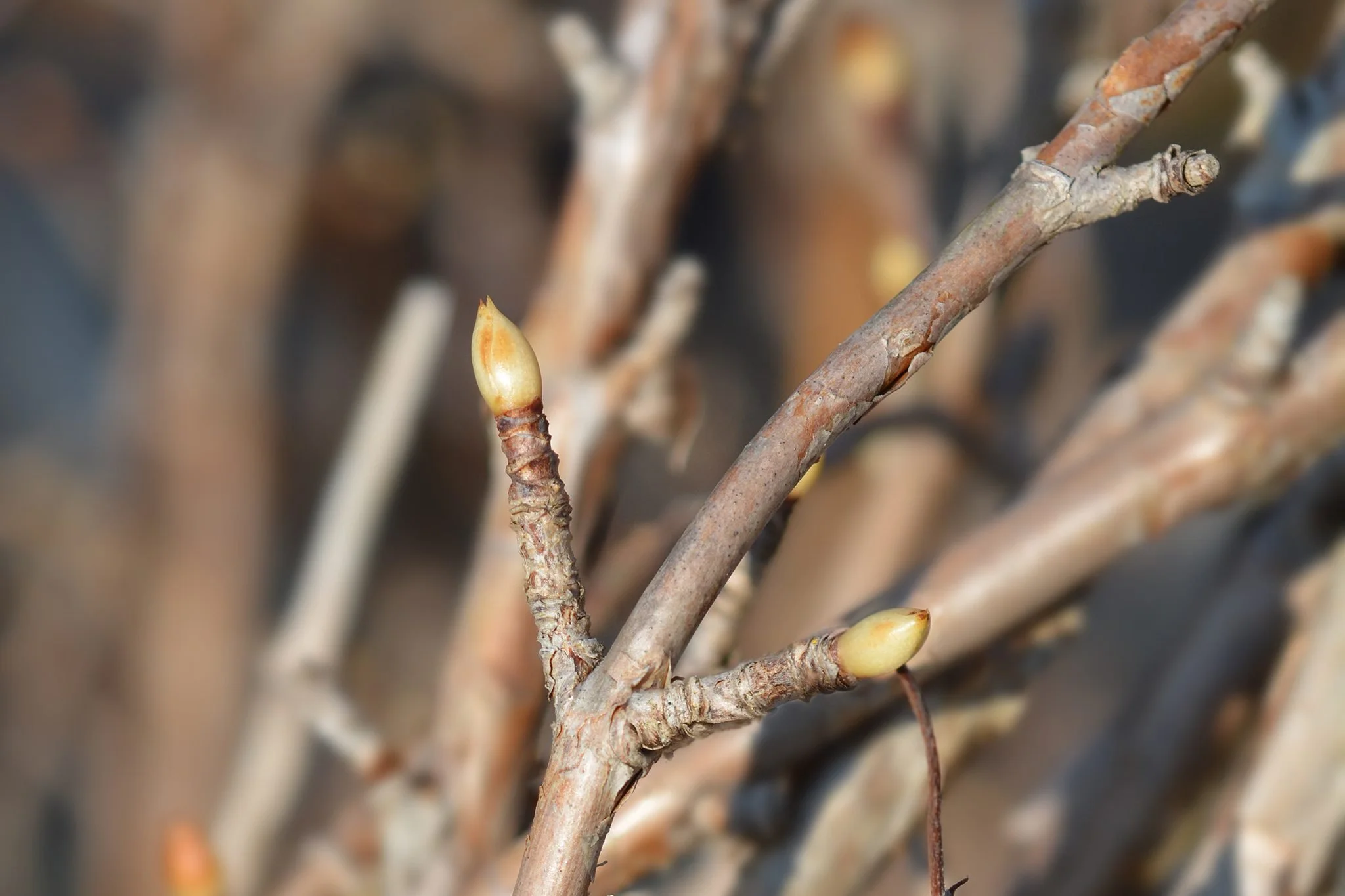
When pruning trees and shrubs, knowing your plant is important. Knowing when it blooms -and whether those flower buds form on new or old wood- is essential. But how do I know if I’m looking at old or new wood? If you look at a plant’s stem in the winter time, and see buds, this is a plant that blooms on old wood- in other words, the wood of the previous season. If you look at the stem, and do not see any buds this plant flowers on new wood- the wood that will appear this upcoming spring. [5] An uncommon exception is that some plants can bloom on both old and new wood, so it’s important to know your specific plant. Plants that flower on new wood can be heavily pruned in the late winter or early spring without sacrificing blooms. While those flowering on old wood can be pruned for shape where necessary, however you will lose the upcoming season’s flowers. For the most flowers, wait until after your flowering tree or shrub blooms to prune it. However, after flowers comes fruit, so if this is a fruit tree wait until after harvest to prune. [5]
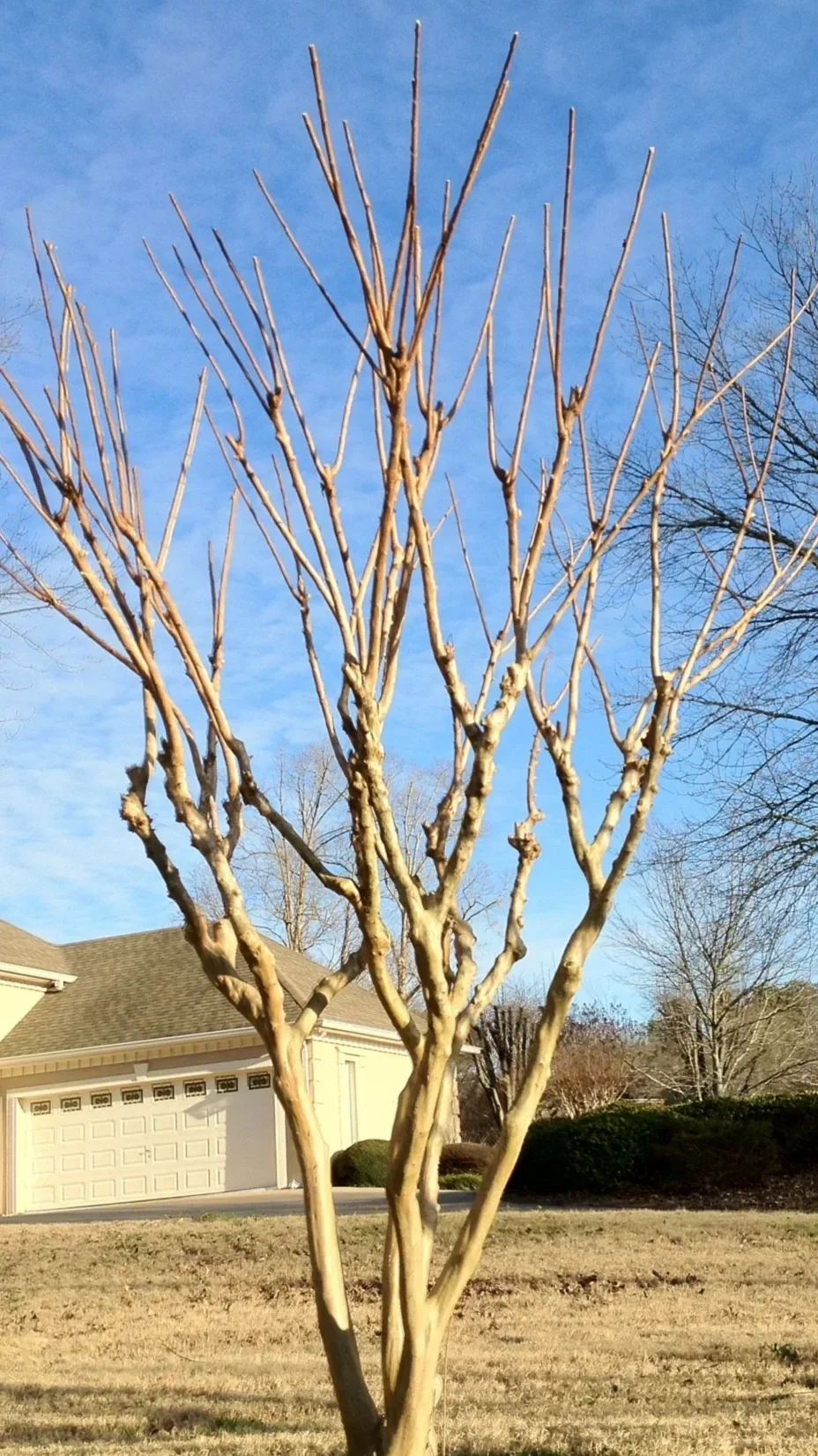
Summer flowering trees and shrubs typically bloom on new wood, such as the Crape Myrtle. For any tree or shrub, first look at the natural canopy shape- you do not want to change the shape of the natural tree, but embrace it. Thin out areas that look crowded or crossover, remove any dead limbs or branches, and remove seed pods if & as necessary. [3] Remove any new suckers growing from the ground or bottom of the tree along with any pencil-thin growth from the tips of branches. Avoid making harsh large cuts on healthy branches. This creates unattractive stumps and visible cuts that won't be concealed until new growth appears. This type of tree “butchering” subjects trees to more diseases, insects, and a shortened lifespan.
Source: Taylor, E. (2025, January 16). Don’t let your Crape Myrtles fall victim to Crape Murder — Hall | Stewart Lawn & Landscape. Hall | Stewart Lawn & Landscape. [6]
If you have a pleached tree or shrub, or an espalier frame, you want to follow the shape of this frame when pruning. You could keep it down to your desired size filling in the frame, or let it grow larger and continue pruning it in its general shape. These tree pruning rules are generally consistent for most species.
Pruning flowering shrubs will depend once again on whether the blooms are forming on old or new wood. Old wood means, leave it until it flowers, while new wood shrubs can be cut more heavily in the winter to bring down size and make space for new growth. Alternatively they can just be trimmed if you’d like to grow the shrub larger. Once an old wood blooming shrub is done blooming, you should prune it within 30 to 45 days. [5] An example of an old wood blooming plant is the Hydrangea macrophylla. You don’t want to prune this plant in the winter because you will lose blooming buds. However you may remove dead branches as these don’t have buds. A plant like the Hydrangea arborescens -which blooms on new wood- can be cut back hard down to one foot above the ground and have no problems blooming prolifically. Understanding when and how your flowering trees and shrubs bloom, is essential for plant health and achieving the fullest display of flowers.
To Cut Back Perennials or to Not Cut Back
There has been many years of discourse over whether you should cut back your perennials in the fall or leave them throughout the winter. For the most part this is a personal decision, as both have their pros and cons. Leaving perennial foliage offers several advantages. The foliage insulates the plant, The seed pods of some plants can make an attractive statement in the winter, such as the Hydrangea species. Leaving perennials is also healthy for the soil through the process called Dieback. The slowly decomposing plant materials seep their nutrients into the soil. Lastly, these perennials provide a home for beneficial insects in our garden to overwinter, such as lady bugs, butterflies, bees, and fireflies. [4]
However there are reasons to cut back perennials in the winter such as it providing a neater appearance. Leaving perennials in the winter can overwinter non-beneficial insects too, pests such as slugs and aphids, as well as diseases. [4] Also, ornamental grasses amongst other herbaceous perennials can get flattened by the weight of snow and take on an unattractive appearance.
Overall, the most diverse landscape will have a mix of both, cutting back diseased, pest occurring plants, grasses prone to flopping, and plants that may not offer ornamental interest, while leaving behind the plants that are healthy, structurally attractive, and provide a benefit to the ecosystem. [4]
——————————————————————————————————————————————————————
Text and Photo Sources:
Chicago Botanic Garden. (n.d.). Pruning in winter. https://www.chicagobotanic.org/plant-information/tips/pruning-winter
Garden Boutique. (n.d.). Climbing hydrangea 1.00 - 1.30 m Hydrangea petiolaris. https://gardenboutique.ro/en/products/hortensie-cataratoare-1-00-1-30-m-hydrangea-petiolaris
HealyPa. (2025, January 24). It’s Time to Begin Your Winter Pruning! Smithsonian Gardens. https://gardens.si.edu/learn/blog/its-time-to-begin-your-winter-pruning/
Knauss, N., & Hubbard, P. T. (2023, July). Cutting down perennials in the fall. Penn State Extension. https://extension.psu.edu/cutting-down-perennials-in-the-fall
Pruning Fundamentals | UC Marin Master Gardeners. (n.d.). UC Agriculture and Natural Resources. https://ucanr.edu/site/uc-marin-master-gardeners/pruning-fundamentals
Taylor, E. (2025, January 16). Don’t let your Crape Myrtles fall victim to Crape Murder — Hall | Stewart Lawn & Landscape. Hall | Stewart Lawn & Landscape. https://www.hallstewart.com/hsblog/2019/3/10/dont-let-your-crape-myrtles-fall-victim-to-crape-murder