Save the Native Pollinators
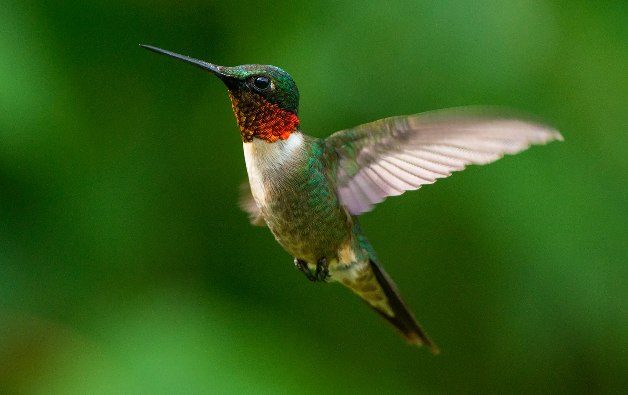
Source: Woodstream. (2020). Ruby-Throated Hummingbird Migration [Photo] [7]
Intro
Pollination occurs when pollen is transferred from the anthers (male part of flower) to the stigma (female part of flower), on the same plant or to another. [5] A pollinator is any organism who carries out this process. The most effective pollinators are typically small and hairy such as bees, flies, butterflies, and hummingbirds, because pollen easily clings to their bodies. In a world where conservation efforts are focused on “saving the bees”, it’s equally, if not more important to recognize and protect our native pollinators as well.
Honey Bees vs. Native Pollinators
Honey bees are not native to the Americas; they were imported by European settlers in the 17th century. Today they account for 80% of pollinators on commercial farms. [1] They form large colonies, are relatively docile, and can be transported in large numbers making them great for commercial settings. However, in our gardens and natural landscapes, native species work more efficiently at pollinating, they are adapted to our environment, and produce more and larger fruits. While honey bees can dominate in numbers, they compete and displace solitary native species populations.
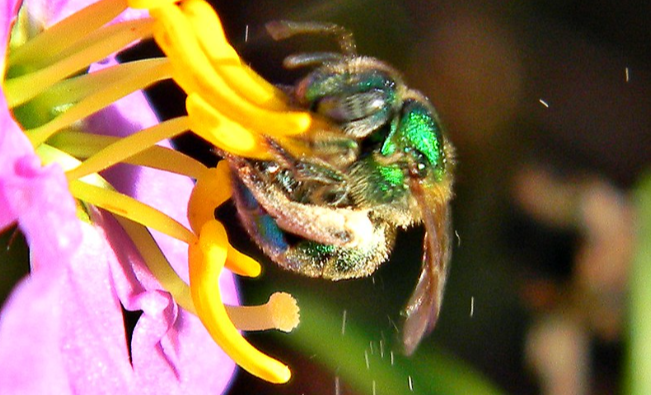
Source: Peterson, B. (n.d.). Buzz pollination (Sonication) [Photo]. In Flickr. [6]
Native bees
Many native bees such as the eastern bumble bee, green sweat bee, and mason bee use buzz pollination. They vibrate their bodies to shake pollen loose from flowers more rapidly pollinating crops like tomatoes, peppers, blueberry, and cranberry. [2] Particularly bumble bees and carpenter bees are also great at continuing pollinating through wind, rain, and shade unlike the honey bee. To attract more native species, plant native flowers such as: butterfly weed, milk weed, asters, bee balm, cardinal flower, goldenrod, echinacea, joe-pye weed, yarrow, among many others. For Long Island residents, Long Island Natives is an excellent resource for finding the perfect native plants for your area.
Hoverflies, Butterflies, and Humming Birds
Hoverflies are great pollinators. Though small, they are agile and can cover significant ground. In addition, their larvae are amazing aphid hunters, with larvae being able to eat 400 aphids, making them a natural form of pest control. [3] Butterflies are less effective pollinators than bees and hoverflies because they primarily consume nectar rather than collect pollen. However they still contribute to pollination, increase biodiversity, and play an important role in the food chain as prey to our native birds, spiders, and small mammals. [4] The ruby-throated humming bird is a crucial pollinator to plants that bees cannot easily access the inside of such as: cardinal flower, coral honey suckle, and bee balm.
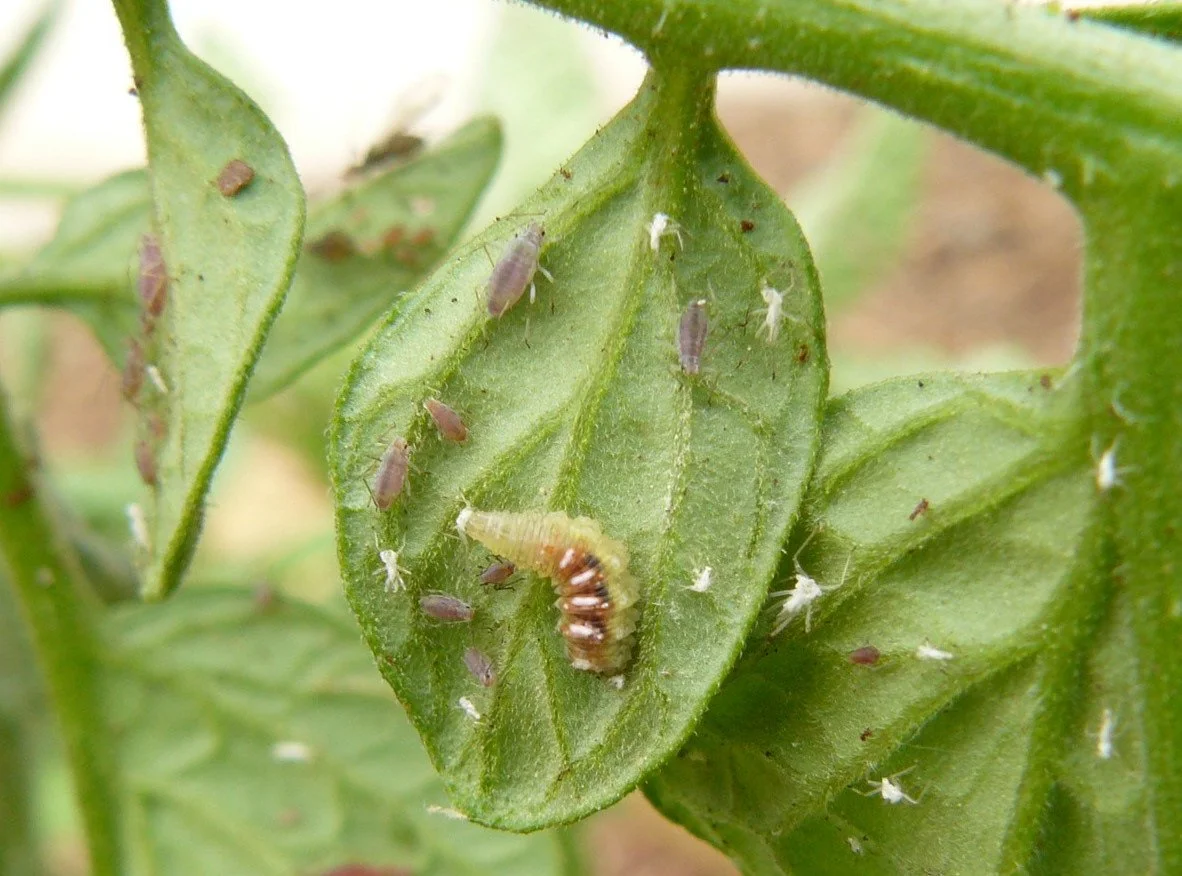
Source: Thompson, P. (2022, July 14). Little Hover Flies are a Big Beneficial Insect. Home & Garden Information Center. [3]
What’s Hurting Native Pollinators? & Solutions
Native pollinators face several threats including habitat loss, pesticides, climate change, and competition. Expanses of turf grass replace the native plants that feed pollinators and act as nesting spots. Pesticides can directly harm pollinators or contaminate nectar and pollen. Climate change shifts bloom times, misaligning with the emergence of pollinators who rely on that plant. And competition occurs when high densities of honey bees strain already limited flower resources, leaving less food sources for native species.
Planting natives is the first step in supporting the species that depend on them. Consider planting a native garden where possible, or incorporate native plants into existing designs. Stop or reduce pesticide use; If necessary, switch to reduced-risk products with minimal environmental impact and apply carefully. In the winter, leave the leaves, stems, and twigs in your beds to provide habitat to overwintering insects. Many native bees and beneficial insects rely on natural debris for protection until spring. Small changes in the garden can make a big difference for native pollinators.
Conclusion
Protecting native pollinators is not just a feel‑good idea; it is essential to the health of our ecosystems, our food systems, and our own backyards. While honey bees play an important role in commercial agriculture, they are only one piece of a much larger puzzle—and an introduced one at that. By restoring habitat, planting natives, reducing pesticides, and leaving natural debris for overwintering insects, each of us can help ensure that the countless bees, flies, butterflies, and hummingbirds that evolved here continue to thrive. Small, intentional changes in how we garden and manage our landscapes can safeguard native pollinators today and preserve the resilience and beauty of our environment for generations to come.
——————————————————————————————————————————————————————
Sources:
National Honey Board. (n.d.). Honey bees & Pollination. Honey. https://honey.com/bees-sustainability/honey-bees-pollination
Vance, E. (2011, November 14). Native bees often better pollinators than honey bee. Research UC Berkeley. https://vcresearch.berkeley.edu/news/native-bees-often-better-pollinators-honey-bee
Thompson, P. (2022, July 14). Little Hover Flies are a Big Beneficial Insect. Home & Garden Information Center. https://hgic.clemson.edu/little-hover-flies-are-a-big-beneficial-insect/
Leach, I. (n.d.). Why Butterflies Matter. Butterfly Conservation. https://butterfly-conservation.org/butterflies/why-butterflies-matter
Schmotzer, C. (2025, June 2). Pollination and pollinators. Penn State Extension. https://extension.psu.edu/pollination-and-pollinators
Peterson, B. (n.d.). Buzz pollination (Sonication) [Photo]. In Flickr. https://www.flickr.com/photos/pondapple/10243478783/in/album-72157629770436720
Woodstream. (2020). Ruby-Throated Hummingbird Migration [Photo]. https://www.perkypet.com/articles/ruby-throated-hummingbird-migration?srsltid=AfmBOoqAms03h4QuGLOojt8pVi6MglPlnKxZcNfkm5gpTXJELCgryD2v